

When getting started feels like a lot.
You sit down with something to do, and everything seems to ask for your attention at once.
Worry and a busy mind can make it harder to focus or decide what to do.
Explore attention and sound
You found us early. We’re developing a health and wellness device. We’re not ready to share it yet. If you’re curious, come be part of what happens next.
Join free for articles, studies and research.
Free. Articles and updates by email, and research you can opt into.
Nearly 1 in 7people worldwide lived with a mental disorder in 2023.WHO
Our team includes scientists in neuroscience and biochemistry, alongside Product Design and Engineering Leaders from Apple, Meta, and Bose.


Maybe you have spent years trying to explain what feels hard. Or hiding the effort it takes to make it look easy.

You deserveunderstanding.Just as you are.
A busy room can leave you drained. A task you care about can be hard to start. By evening, you may need quiet.
Starting a task. Finding a moment of quiet. Being with other people. What feels familiar to you?
You sit down with something to do, and everything seems to ask for your attention at once.
Worry and a busy mind can make it harder to focus or decide what to do.
Explore attention and sound
The room is quiet. You finally have time to rest. Settling can still feel difficult.
Stress and anxiety can affect sleep and bring tension, headaches or uneasiness.
Explore what you notice
A conversation, a busy room, or another expectation. The same setting can feel different to each person.
Less pressure, clear plans and people who listen can help.
Understand different needsYour next appointment may be days away. Someone you trust may be busy. You still have to get through what’s happening right now.
Reading the same message.
Still not knowing how to reply.
Holding it together all day.
Needing silence when you get home.
Knowing what needs doing.
Still struggling to start.
You deserve support in those moments, too. Start with what you notice and what you need.
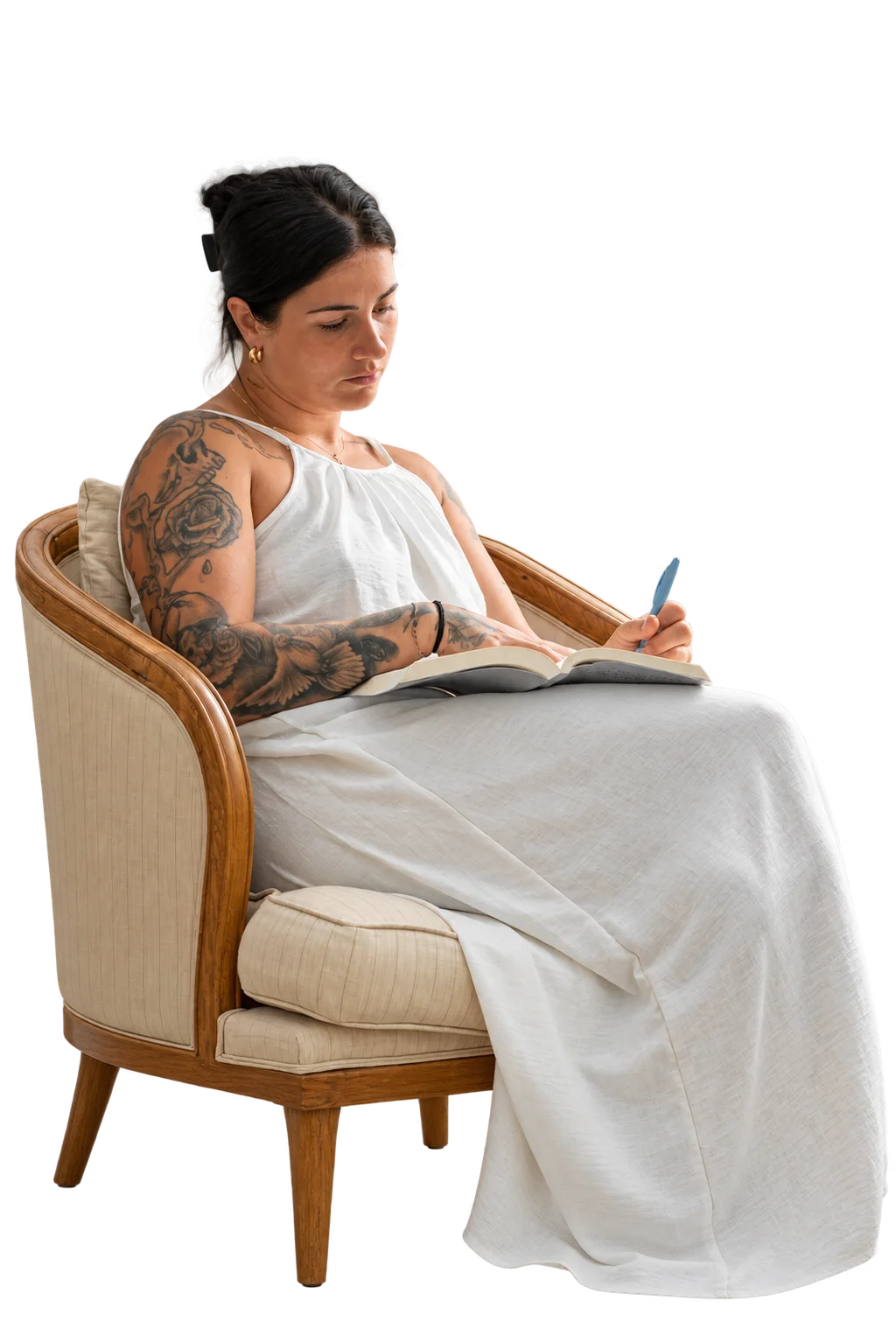
“Everything feels too loud.” “I can’t slow my thoughts down.” Start with what you notice. You do not need the right label.
Find words for it
“Can we find somewhere quiet?” “Please give me a little more time.” “Will you stay with me?” Small, clear requests can be a place to start.
Find support with someone elseA movement. A rhythm. Cool water or a warm blanket. A gentle breath. Getting to know yourself starts with noticing how you feel.
Stimming means repeating a movement or sound. You might rock, move your hands or rub a soft fabric. It can help some people handle strong feelings, enjoy a sensation or express joy.
Safe stimming does not need to stop just to make someone fit in. Notice which movements feel good to you.
Some people gently tap one side of their body, then the other. This is used in practices such as the butterfly hug. The rhythm gives you something to notice right now.
Touch does not feel good to everyone. You can pause or try something else. These tips do not prove that tapping alone treats trauma. A full course of therapy involves much more.
Notice cool water on your hands or the warmth of a blanket. These small changes can give you something to focus on in the moment.
Keep it comfortable. You do not need extreme heat or cold, or to hold your breath. What feels good is different for each person.
The NHS suggests gentle breathing as one way to ease stress. Notice your breath without forcing it. You may notice when you start to feel tense.
There is no need to take a deep breath or follow a timer. If it feels hard, look at something around you instead.
Music, nature sounds and quiet can each feel different. Studies suggest nature sounds may ease stress. More sound can also feel like too much.
Bilateral audio moves from one ear to the other. Binaural beats use a slightly different tone in each ear. Neither works the same for everyone.
What helps can change from one moment to the next. You can stop, try something else or ask for help.
A thought, a feeling or an urge to leave the room can tell you something. Try putting it into words. It can still take practice and help to use what you learn.
Music can help ease stress, support attention and become part of a restful routine. Explore the research and find small ways to bring listening into your day.

What changes in the body when we listen?
Music can support both how we feel and how our bodies respond to stress. A review of 104 trials found that music-based activities reduced physical signs of stress and feelings such as worry and tension.
Researchers measured heart rate, stress hormones and people’s own feelings. The studies included listening to music and guided music-based care. The benefit depends on the activity and the person.
Learn more about sound and calm
Can a pattern in sound help us focus?
Music you enjoy can make a simple task feel more engaging. In a study of 40 students, people reported less mind-wandering and more focus while listening to music they chose, compared with working in silence.
The benefit measured here was feeling more focused during a simple task. This gives us a useful starting point: choose music you enjoy and see how it fits the work in front of you.
Learn more about sound and focus
What do studies of bedtime listening show?
Gentle music can be part of winding down. A review of 13 trials found that adults with insomnia, or trouble sleeping, rated their sleep quality more highly after listening to music than those receiving usual care or no added treatment.
The clearest benefit was how people rated their sleep. The studies used regular listening over several days or weeks. You can explore music as one part of a bedtime routine.
Learn more about sound and sleepChoose what feels good to you. Quiet is an option, too.
For some neurodivergent people, headphones are already an everyday support. Less noise on the bus. A familiar song while working. A way to choose what comes in when the world feels loud.
of autistic adults in one survey used earplugs or headphones to manage everyday sound.
Soften the steady rumble of a journey.
Choose less background noise or a familiar track.
Find the level of quiet or music that feels good.


A little less background noise.
QuietComfort headphones let you switch between noise cancellation and Aware mode, which lets outside sound in. You can adjust your listening as you move through the day.
Explore Bose headphonesA small study of six autistic children, ages 8–16, found lower physical signs of stress during the first week using Bose headphones in noisy daily activities. No music was playing. Bose partly funded the study.
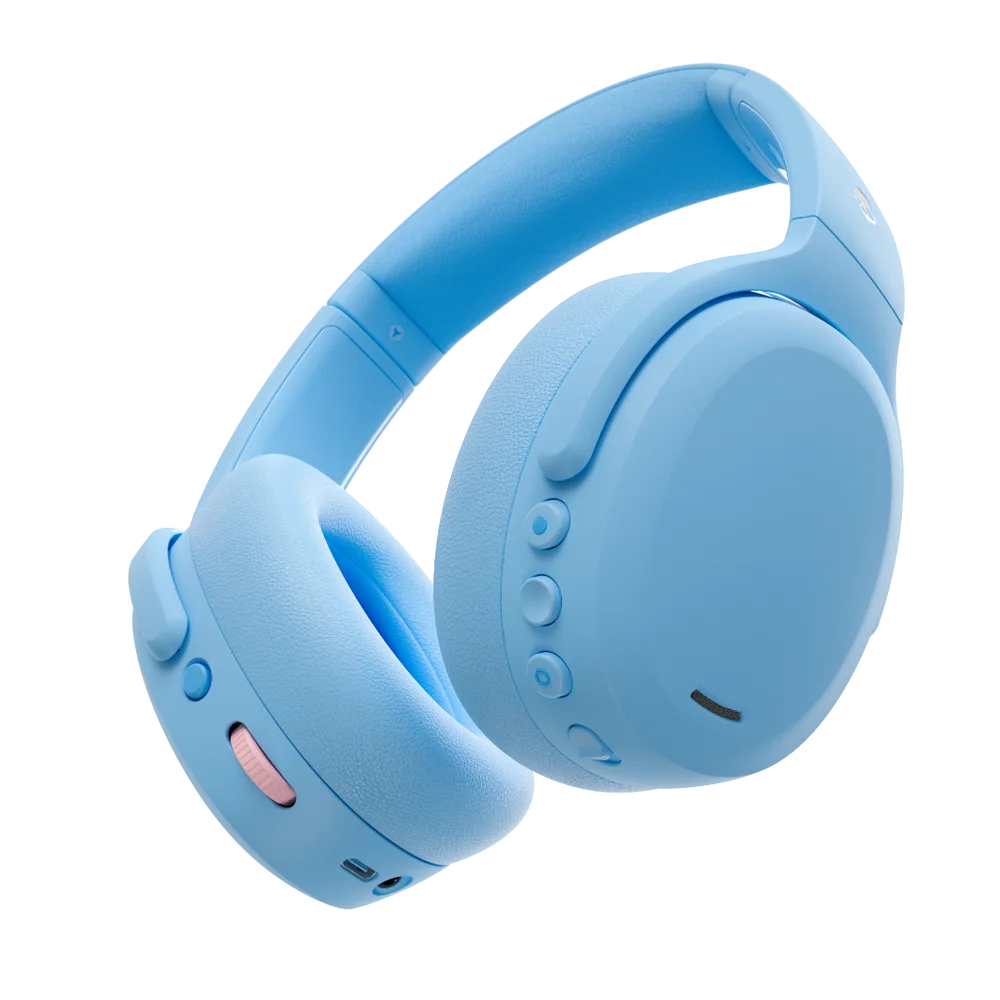

More ways to make sound your own.
Crusher ANC 2 headphones combine noise cancellation with adjustable bass you can feel. You can change the sound in the app and use Stay-Aware mode to hear more around you.
Explore Skullcandy headphonesIn the National Autistic Society’s adult forum, one member described using Skullcandy Hesh Evo headphones to soften outside noise. This is a personal experience with a different model, without active noise cancellation.


Choose what you hear.
WH-1000XM6 headphones offer noise cancellation and an Ambient Sound mode. Use the Sony Sound Connect app to adjust the sound and how much of your surroundings you hear.
Explore Sony headphonesThis is an example of listening features to explore. The product features do not establish a treatment benefit for ADHD or autism.
Bose, Skullcandy and Sony are examples. Orlo is not affiliated with these brands and receives no payment or commission for including them. Names, logos and product images belong to their respective owners.
Your comfort matters. Try the fit, keep listening at a comfortable volume, and choose how much of the world you want to hear.
Studies suggest that nature sounds may ease stress and help people feel better. Try a low volume. Notice how you feel, and stop or change the sound when you want.

Hear streams, birds and wind recorded in Rocky Mountain National Park.
Listen with NPSThe National Park Service shares recordings made in the park. Hear a stream, a forest, birds at dawn, or wind and rain across the landscape.
Choose a recording on the park’s page and press play. Start at a low volume and take a moment to notice the sounds.
National Park Service. You choose when to listen.

Blend gentle rain with a deeper rumble. Adjust the mix on myNoise.
Explore rain on myNoisemyNoise is an interactive sound player. Its rain page has sliders that let you blend light patter with deeper rumbles, plus ready-made mixes to explore.
Try a preset, then move one slider at a time. Keep the parts you enjoy and turn down anything that feels too much.
myNoise. You choose when to listen.

Waves, wind and rain. Find the balance that feels good to you.
Explore sea on myNoiseThe Irish Coast player on myNoise combines sounds recorded on Cape Clear. You can adjust the balance of the sea, wind and rain.
Choose a preset or build your own mix with the sliders. You can leave the sound steady or explore the player’s gentle variations.
myNoise. You choose when to listen.


Explore music made for focus, relaxation and sleep.
Explore Brain.fmBrain.fm is a listening service with music for activities such as focused work, learning, unwinding and sleep. Its music is organized around what you want to do.
Explore a mode that fits your next activity. The service offers a trial and paid subscriptions; check the current options on its website.
Brain.fm. You choose when to listen.


Try soundscapes for focus, rest and sleep that adapt to your day.
Explore EndelEndel creates changing soundscapes for focus, relaxation and sleep. Its app can adapt sound using context such as the time of day.
Explore the soundscapes and choose one that fits your moment. Check the current trial and subscription options on Endel’s website.
Endel. You choose when to listen.


Explore guided meditations, Sleep Stories and music.
Explore CalmCalm offers guided meditations, Sleep Stories and music for relaxation and sleep.
Explore the available content and check the current subscription options on Calm’s website.
Calm. You choose when to listen.
Brain.fm, Endel and Calm are examples. Orlo is not affiliated with these brands and receives no payment or commission for including them. Names, logos and images belong to their respective owners. Listening services open in a new tab. Some offer subscriptions.
We all have times when feelings are strong or focus is hard. People whose minds work in less common ways are often called neurodivergent. Noise, change or a busy room may add to their stress.
Neurotypical means a mind works in ways most people expect. Common routines and ways of talking may fit more often. Stress can still be hard, and support still matters.
For some people with ADHD or autism, noise or light can feel like too much. Switching tasks may be hard. Hiding how they feel can take effort, too. What helps someone else may not help you.
A label cannot tell us everything about a person. Clear steps, a quieter space and someone who listens can help, along with skills you learn yourself.

Between 18 and 25, a lot changes. You may leave home, start college or begin a job. You are learning what you need, often with less help close by.
ADHD is often missed in girls and women. As life gets busier, things that were already hard can become harder to manage.
Some studies link ADHD with a higher risk of serious alcohol or drug problems and early death. They studied wider groups, not just women ages 18–25. They cannot tell us what will happen to one person.
You may be managing a new routine while people assume you already know how to handle it. Having someone take your concerns seriously matters.
College. Military service. A religious mission. Time to find her own direction.
You have helped her through hard days for years. Now she is starting a life away from home. You can give her room to make her own choices and still be there when she needs you.
“How would you like us to stay in touch?”
Agree on when and how to check in. Find out who can help near her new home. Ask what she would like you to do if she needs help.
“Would you like me to listen, think it through with you, or help with one next step?”
Give her time to explain. Ask what kind of help she wants before trying to solve the problem.
“What is working for you? What would you like to change?”
Notice what she is learning about herself. Be there when she asks, respect her privacy and change the plan together as her needs change.
Use these questions to start a conversation. If she is struggling, help her find support near her new home.
Source: Administration for Children and Families.
The place you are in can change how much a day asks of you. Noise, unclear plans or constant interruptions can make familiar tasks feel harder.
Being heard. Finding words for what you feel.

Hard moments can happen between visits. Start by noticing what you feel and what might help right now.
Explore this story
You can write a note, take a pause or bring someone you trust. There is more than one way to explain how you feel.
Explore this story
You can ask for less noise, more time or a different way to explain things. Your needs matter when you seek care.
Explore this storyCaring for others while carrying demands of your own.

Caring for others can be hard work. You need rest, clear plans and support, too.
Explore this story
A busy room. Words you do not know. Another choice to make. Time to think can help you take it all in.
Explore this story
Ask for a quiet space, clear steps or another way to talk. You can explain what works for your mind.
Explore this storyLearning, belonging and finding your own way.

There is more to school than lessons. You are making friends, learning new rules and finding your place.
Explore this story
A new course or a new room can change your whole day. Some people need more help with change than others.
Explore this story
Clear steps, time to think and less noise can make it easier to learn.
Explore this storyWhen being present matters to everyone around you.

People in the military, police and emergency services often have to act fast. Focus and care matter in those moments.
Explore this story
You may still feel on edge after a hard shift. Rest, space and support matter when the work is done.
Explore this story
Noise or unclear words can add to the strain. Safe work, people you trust and trained care all have a place.
Explore this storyRoom to think, create and do work that matters.

It is hard to focus when you keep getting pulled away or the plan keeps changing.
Explore this story
Noise, bright lights or trying to hide how you feel can make work more tiring.
Explore this story
Knowing what is expected, having a say and getting support can make work better.
Explore this storyPressure, recovery and the person behind the performance.

Sport can be fun and stressful at the same time. How you feel matters as much as the result.
Explore this story
Crowds and the pressure to do well can feel different to each athlete. Start by learning what helps you.
Explore this story
Rest is part of sport. People need different amounts of time and support after a hard day.
Explore this story
Being present for someone you love. Making something you care about. Having room for your own hopes.
When your energy goes into keeping up, there may be little left for the things that matter to you.
What leaves you worn out? What gives you room to think? Noticing those patterns can help you explain what you need.
What would make tomorrow feel more manageable?
Explore our minds, sound and everyday life. Learn with us and keep up with news from Orlo.
Ideas for everyday support. Orlo updates. News you can use.
Free. Make it yours when you sign up.
Get Orlo articles and updates in your inbox. Choose what you would like to receive.
We have saved your signup.
Create a free Orlo account with this email to change what you get at any time.
Start a conversation with the team about Orlo.


